Beneath the familiar tourist landmarks and bustling streets of ordinary London lies an esoteric and hidden architecture. From ancient trade routes to earth energies, the city is mapped to a secret grid. Today, we are exploring the Regent’s Lay Line—a powerful geomagnetic current stretching from Portland Place all the way up through Regent’s Park, Primrose Hill, and terminating at the historic Kenwood House.
 What Are London’s Ley Lines?
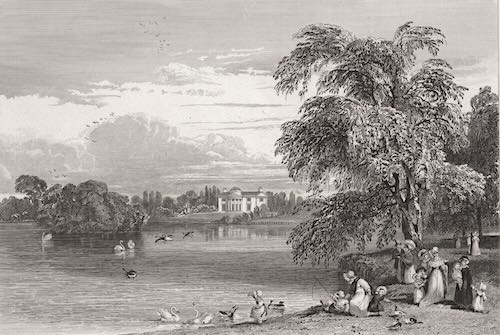
Ley lines are often described as earth energies or “dragon lines” that carve through the landscape. Long before modern urban planning, ancient peoples—including the Druids—mapped thesepathways by observing nature, bird flight patterns, and geomagnetic currents.
In London, many of these ancient pathways were later reformatted into trade routes, royal parks, and urban layouts. However, their underlying occult and structural significance remains deeply tied to the city’s landmarks, churches, and historic estates.
Regent’s Park and the Broadwalk
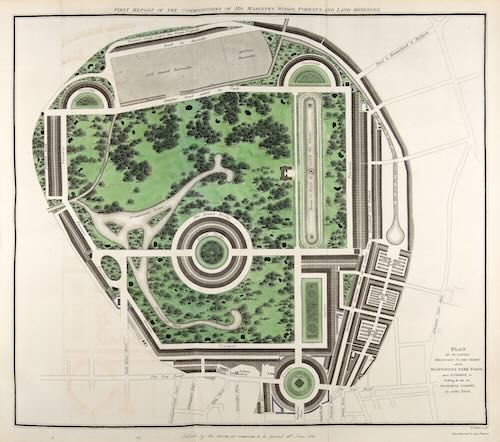
Our journey begins in Regent’s Park along the Broadwalk, an old trade route that historically stretched all the way to Hampstead. Before it was known as Regent’s Park, the area was called Marylebone Park and served as a royal hunting ground for King Henry VIII.
Key features along this stretch of the ley line include:
The Colonnades & Statues: Strategic architectural placements that mirror the energetic flow of the land.
The Tyburn River: An ancient underground river flowing beneath the park, adding a crucial water current to the lay line’s energy.
Occult Geometry: The design of the park’s inner and outer circles acts much like an initiation circuit, built upon pre-existing ancient alignments that architect John Nash later paved over. Watch Full Video @YouTube
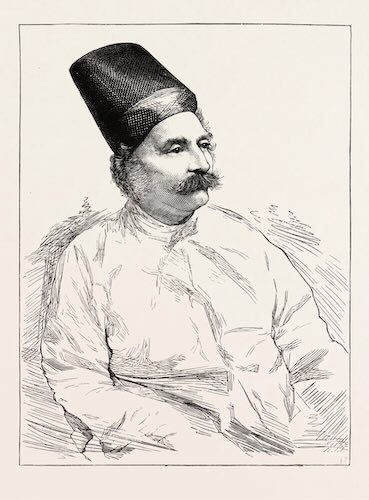 The Ready Money Fountain
Walking further up the lay line, you encounter the Ready Money Fountain. Gifted to the park in 1869 by Sir Cowasji Jehangir Readymoney—a wealthy Parsi merchant and philanthropist from Bombay—this structure holds deep symbolic design.
Built on an octagonal base with four distinct sides, it represents the four cardinal directions, cosmic order, and structural stability.
Historically acting as an active natural spring, fountains on lay lines traditionally mark thresholds where underground water and subconscious energy are brought to the surface.
St. Mark’s Church and Golden Dawn Connections
Moving towards the foot of Primrose Hill on Prince Albert Road stands St. Mark’s Church, often dubbed the “zoo church” due to its proximity to London Zoo.
This location carries a heavy esoteric history:
The Hermetic Order of the Golden Dawn: Figures like Aleister Crowley, William Butler Yeats, and S.L. McGregor Mathers operated extensively in the Camden area, utilizing these earth energies and lay points in their practices.
Mysterious Destructions: The original structure was destroyed in the Blitz during the 1940s, followed by an unsolved arson attack in 1994, which many local esoteric circles whispered was tied to ritualistic activity.
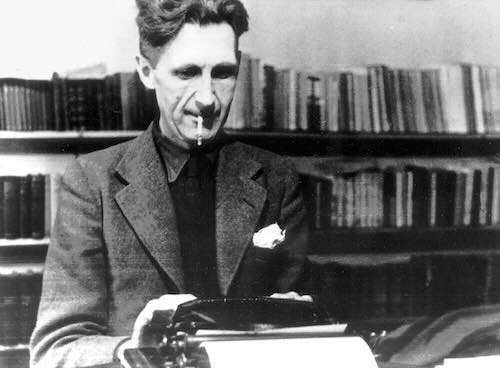 George Orwell, Eton, and the Huxley Connection
As the ley line moves past the Princess of Wales pub and toward Chalk Farm, it crosses paths with the former residence of George Orwell (born Eric Arthur Blair).
Orwell’s background adds a fascinating layer to the exploration. Educated at Eton College—where he was taught by Aldous Huxley (author of Brave New World and son of elite eugenicist Julian Huxley)—Orwell was intimately familiar with elite societal structures. His masterwork, 1984, reflects a profound awareness of totalitarian control systems that mirrors the rigid, structured grid of the city itself.
St. Dominic’s Priory and Resonating Architecture
Nearby stands St. Dominic’s Rosary Shrine, a stunning Catholic parish featuring powerful, resonant acoustics and architecture. Structures like this—alongside the various spires, churches, and synagogues clustered along the lay line—often function as acoustic and energetic resonators. When historical lay lines are ignored or disrupted, many esoteric researchers believe it directly correlates with the societal disharmony we see today. Watch Full Video @YouTube
Hampstead Heath Terminus
The Regent’s Lay Line ultimately culminates in the sacred highlands of North London:
Parliament Hill: A massive power point and nexus where multiple lay lines intersect. It features ancient mounds and the historic Parliament Stone used by ancient gatherings.
Kenwood House: Sitting at the northern terminus of the line, this neoclassical villa designed by Robert Adams acts as the ultimate wealth generator and energetic anchor of the Regent’s current. 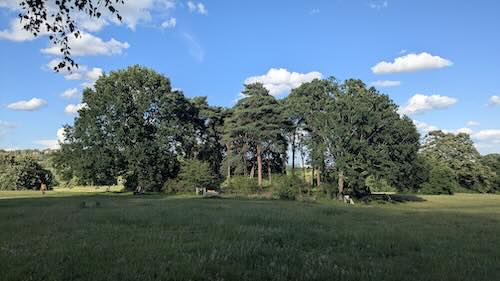
London’s secret history runs deep for those willing to look past the surface pavement. Have you ever felt the unique energy of London’s parks and historic hills? Let us know your thoughts in the comments below, and don’t forget to subscribe for more deep dives into esoteric history, hidden architecture, and urban legends.