St Michael’s Ley Line
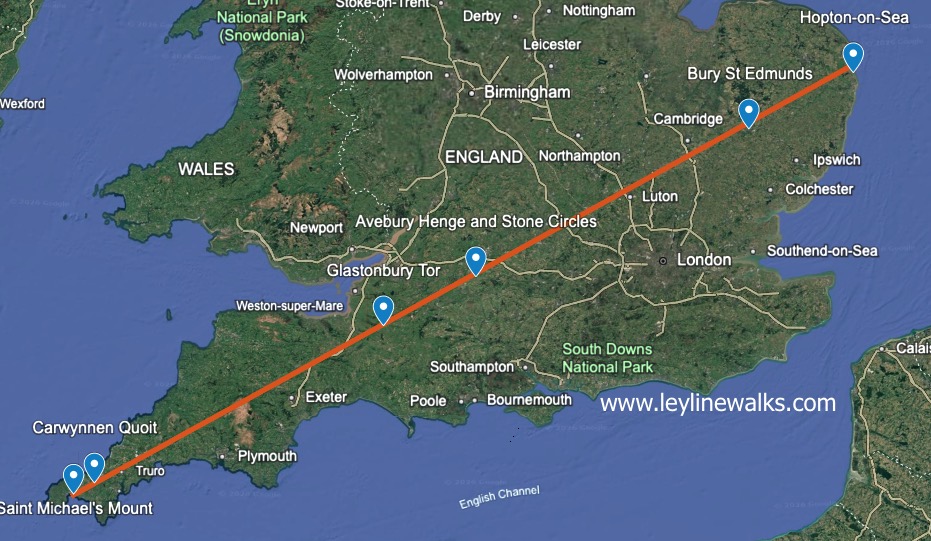
One of the most well-known ley lines in England is the St Michael’s Line which begins at st Michael’s Mount in Cornwall to Hopton-on-Sea in Norfolk. However, these ley lines extend far beyond
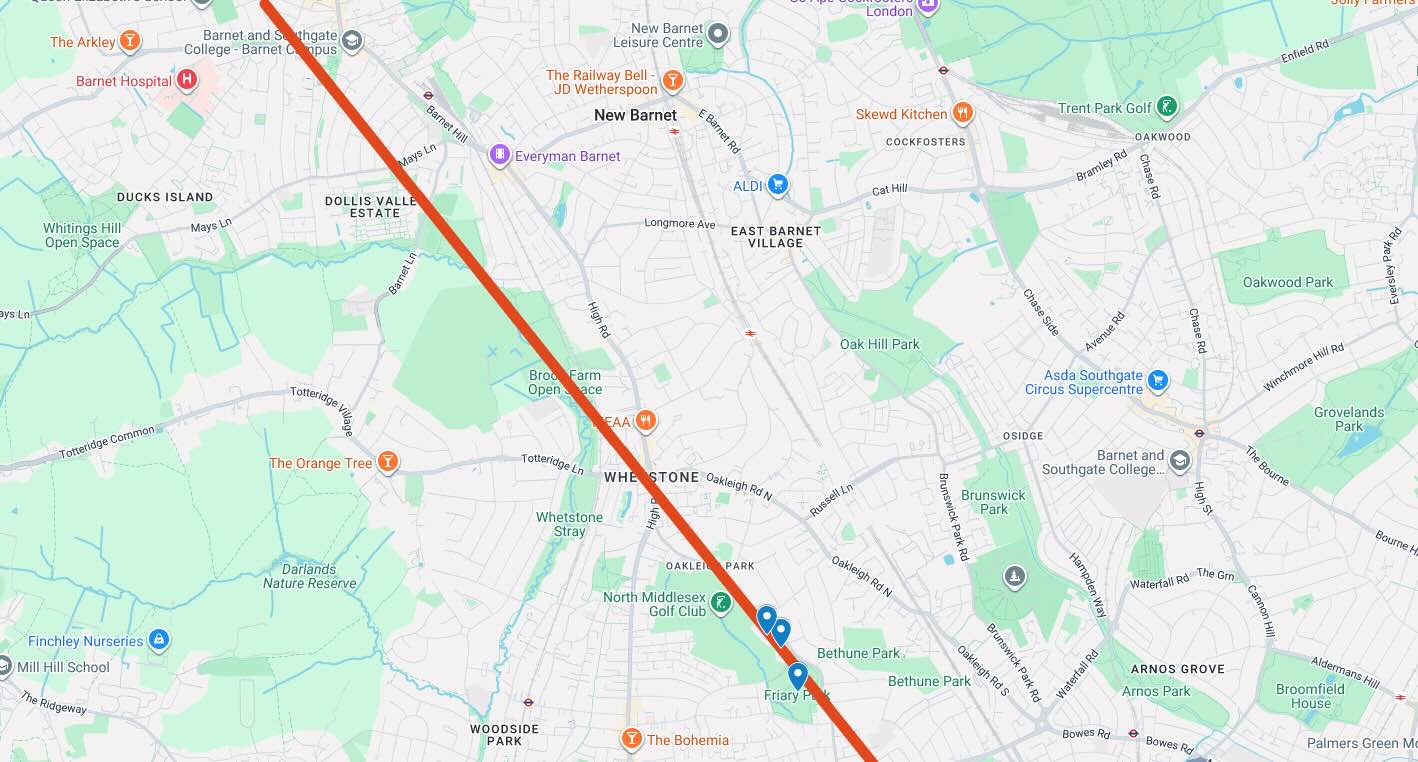
Screenshot
the stone circles and sacred sites of Britain, forming vast interconnected pathways that stretch across the entire world.
1. St Michael’s Mount (Cornwall)
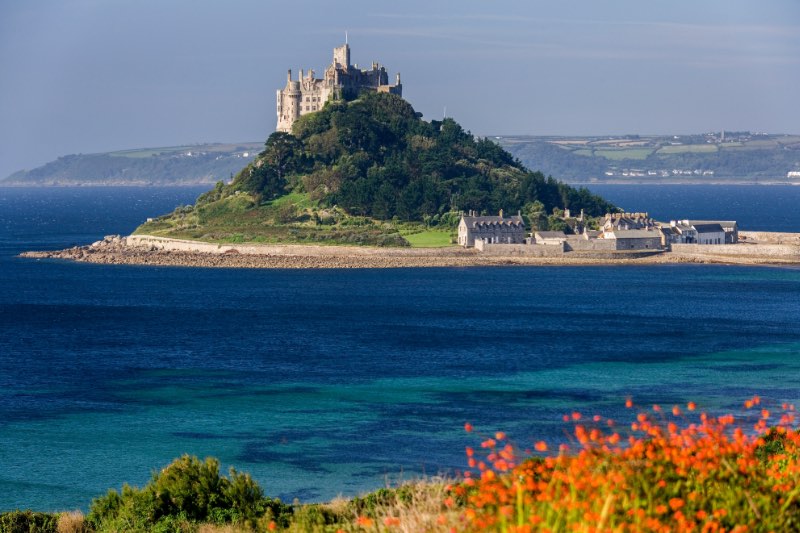
A tidal island off the Cornish coast, famous for the legendary 8th-century appearance of the archangel Michael to local fishermen. Formerly a Benedictine priory, the historic site is now under the care and ownership of the St. Aubyn family.
2. Carwynnen Quoit / Giant’s Quoit (Cornwall)
A dolmen tomb dating back to the late Neolithic or early Bronze Age. After collapsing during an earthquake in 1967, dedicated efforts were successfully undertaken to reconstruct and re-erect this ancient monument.
St Michael’s Mount
3. Ladock Church (Cornwall)
The parish church of Ladock village, which owes its name to its patron saint, St. Ladoca.
4. Bofarnel Downs Tumuli (Cornwall)
A prominent hillside marked by a cluster of ancient round barrows, which most likely date back to the Bronze Age.
5. The Hurlers Stone Circles (Cornwall)
An early Bronze Age monument featuring three distinct granite stone circles arranged on a south-southwest to north-northeast alignment. Local folklore claims the stones are men transformed into rock for playing sports on the Sabbath. The carefully shaped stones have flattened tops, and excavations in the 41-meter-wide middle ring revealed a unique floor of granite crystals.
6. The Cheesewring (Cornwall)
Located near the Hurlers, this striking, weathered granite outcrop serves as a highly visible landmark. Rising several meters high, it forms a distinct focal point on the landscape that would have been clearly visible from long distances, notably linking across to Great Links Tor on Dartmoor.
7. Great Links Tor (Dartmoor, Devon)
One of Dartmoor’s most spectacular features, rising to an elevation of 586 meters. The summit is crowned by massive, distinct granite plugs and offers sweeping panoramic views across Devon and into Cornwall.
8. Cosdon Hill (Dartmoor, Devon)
Situated on northern Dartmoor, the summit of this hill features five distinct ancient cairns. Their layout roughly mirrors the north-south ridge of the hill and runs parallel to an ancient stone row.
9. West Buckland Church (Somerset)
A historic Norman church dedicated to St. Mary, positioned prominently on the western edge of West Buckland village.
10. Burrowbridge Mump (Somerset)
A dramatic, solitary hill rising from the southern Somerset Levels. Much like its nearby neighbor, Glastonbury Tor, its summit features the historic ruins of a church dedicated to St. Michael, which likely originated in the Saxon era.
11. Glastonbury Tor (Somerset)
A legendary hill rising from the heart of the ancient Isle of Avalon. It is crowned by the roofless medieval tower of St. Michael’s Church. Steeped in myth, Glastonbury is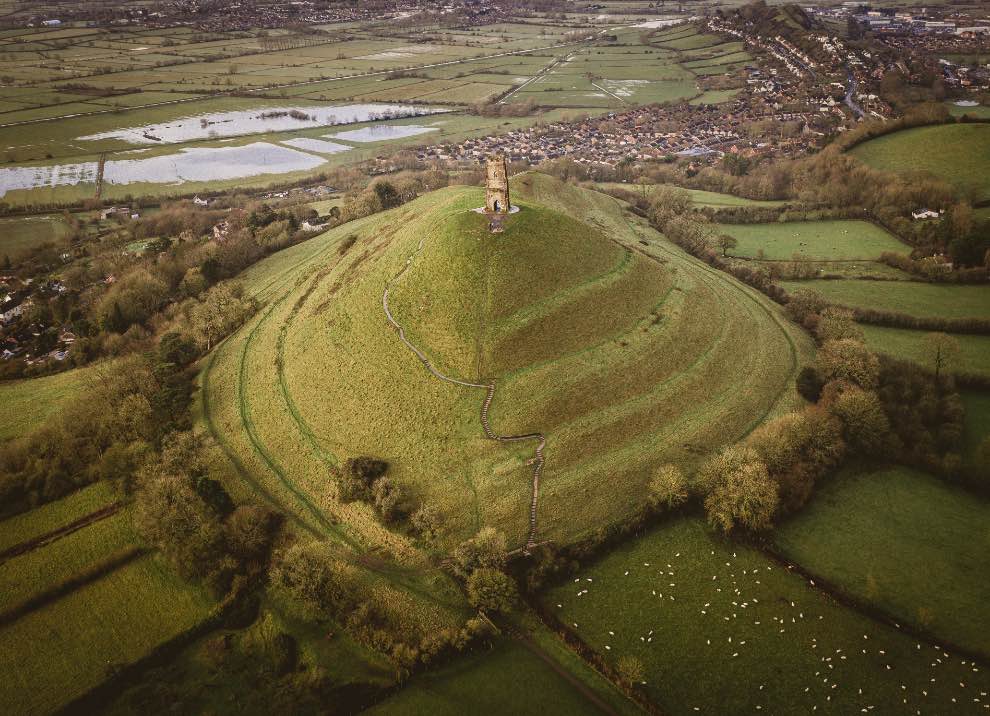 tied to early Christian history and is famously reputed to be the final resting place of King Arthur and Queen Guinevere.
12. Oliver’s Castle Hill Fort (Wiltshire)
An Iron Age hillfort perched on a dramatic escarpment just north of Devizes. Nearby Bronze Age round barrows suggest the site was used as far back as 2000 BCE. Below the fort on Roundway Hill, a major English Civil War battle took place in 1643, resulting in a Royalist victory over Parliamentarian forces.
13. Beckhampton Long Barrow (Wiltshire)
A major Neolithic burial mound dating back past 3000 BCE. The barrow aligns precisely with the St. Michael alignment, featuring a northeastern entrance that faces toward the Avebury complex.
14. The Avebury Henge (Wiltshire)
Part of a UNESCO World Heritage site, Avebury is the largest henge monument in Britain, dating to roughly 3200 BCE. This massive Neolithic complex, containing hundreds of standing stones weighing up to 70 tons, was moved from the nearby Marlborough Downs and served as the cultural hub of prehistoric Wiltshire.
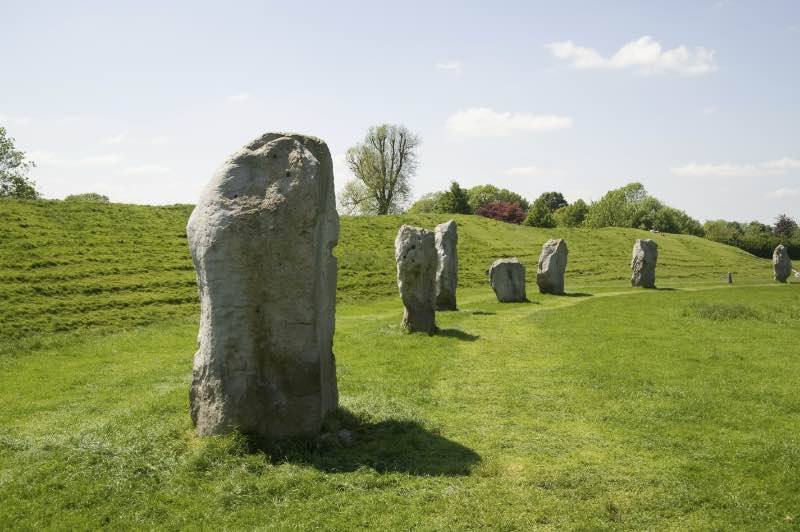
Avebury Stone Circle Wiltshire
15. Temple Farm (Wiltshire)
Taking its name from its former owners, the Knights Templar, this site sits at the center of an intricate, twin-circle landscape alignment that mirrors the geometry of the Great Pyramid of Giza. Its location corresponds directly to where the King’s Chamber would sit within that pyramid blueprint.
16. Drayton St. Leonard Church ( Oxfordshire)
A charming village church dedicated to St. Catherine that has seen over 800 years of continuous worship. While the chancel is a later addition, the main nave features Norman architecture with two historic doorways. Its most remarkable feature is a 43-foot timber tower built from massive oak and chestnut beams that stands entirely inside the main building.
17. Pitstone Church (Buckinghamshire)
The 13th-century Church of St. Mary the Virgin sits tucked away on a quiet side road. Though closed for regular worship since 1972 and cared for by The Churches Conservation Trust, the structurally sound building still hosts occasional special services.
18. Ivinghoe Hills & Beacon (Buckinghamshire)
Ivinghoe Beacon sits atop one of the highest ridges of the Chiltern escarpment, which spans from Oxfordshire to Hertfordshire. The hilltop is enclosed by a triangular Iron Age fort. This landmark marks the western starting point of the Icknield Way toward Suffolk, while linking back toward Avebury via the ancient Ridgeway footpath.
19. Bury St. Edmunds Abbey (Suffolk)
Once one of the grandest and wealthiest Benedictine monasteries in England, the abbey was reduced to ruins during the Dissolution of the Monasteries in 1539. Founded around 633 CE by King Sigeberht, it later became the shrine and burial site for St. Edmund, the martyr-king and patron saint of England. The vast complex originally included the churches of St. Margaret and St. James. This marks the final major landmark on the land alignment, which projects out into the North Sea at Hopton on Sea.