Ley Lines in Ancient Albion
When the Romans arrived in Britain which was called Albion at the time, they encountered a land unfamiliar and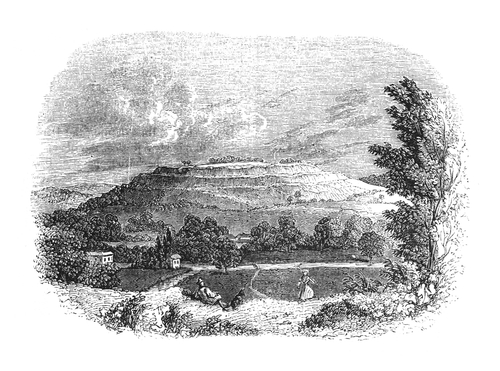 people with different very different practises. The landscape was dotted with standing stones, druid schools and inhabited by people who were very different from the Romans in both appearance and belief. These ancient Britons practiced strange and mysterious religious concepts connecting and using the energy from the earth. Albion was a land of huge mystery with ghost stories, giants, and druids. The Romans soon realised that the stone circles, sacred sites, and burial grounds that covered the land held a huge significance and power. However, they may not have fully understood that these sites served another purpose beyond this physical world.
Alfred Watkins invented the term Ley Lines
 Although the earths energy grid has existed since the birth of Planet Earth. With monuments and sacred buildings aligned and built on these Ley Lines, it wasn’t until 1922 that Alfred Watkins introduced the term of ‘ley lines’ to the modern world. During one of his many field trips, Watkins, a passionate archaeologist, photographer, and geologist, noticed that many ancient monuments seemed to form alignments on the map. Following this revelation, he coined the term ‘leys,’ a reference to the ‘lays’—pastures and valleys—that these lines traversed.
Watkins later wrote, “I had no theory when, out of what appeared to be a tangle, I got hold of the one right end of this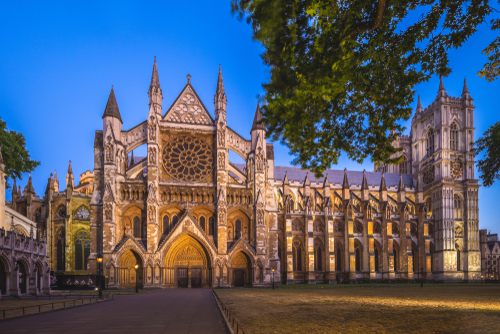 string of facts, and found to my amazement that it unwound in an orderly fashion and complete logical sequence… I followed up the clue of sighting from the hilltop, unhampered by other theories, found it yielding astounding results in all districts, the straight lines to my amazement passing over and over again through the same class of objects…”
After testing the public’s response to his ideas in his 1922 paper, Early British Trackways, Watkins published his book, The Old Straight Track, which proposed that these ancient tracks were used in ancient Albion as navigation routes across the island. The article generated both widespread interest and significant skepticism. While his ideas captured the public imagination and fueled New Age theories, professional archaeologists largely dismissed them.
Sacred buildings have been placed on these Ley Lines
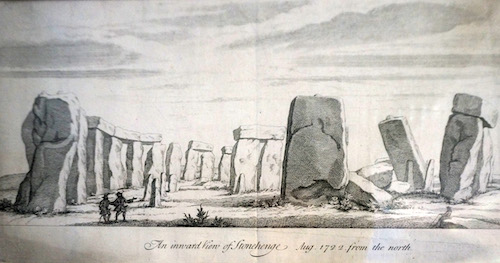
You will often find that Churches, Chapels, Cathedrals, and other significant religious buildings are located along these ley lines, as well as ancient monuments and stone circles. Sites like 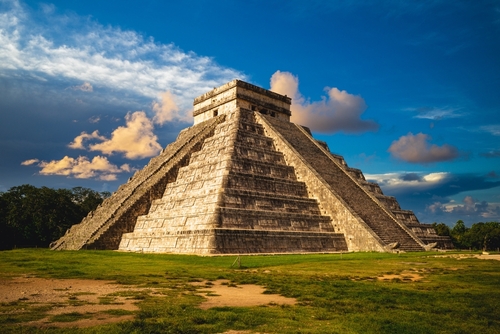 Stonehenge, the Pyramids of Giza, Chichen Itza, and numerous other ancient wonders are not just isolated landmarks; they are intricately woven into the Earth’s natural energy grid. These monumental sites, spread across different cultures and continents, align with the ley lines in ways that suggest a deeper, hidden connection. The positioning of these structures seems deliberate, as if ancient civilisations were attuned to the Earth’s energy network, harnessing its power for ceremonial, spiritual, or even practical purposes.
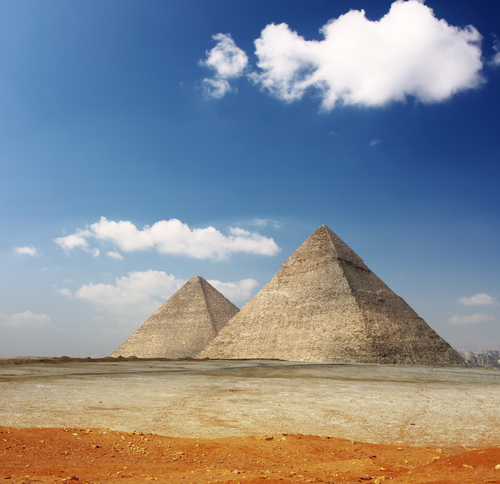 This alignment of sacred sites isn’t limited to Europe or the ancient world—it can be found across the globe, linking cultures as diverse as the ancient Egyptians, the Maya, and the Druids. These sites appear to act as markers or nodes in a vast, interconnected web of energy that stretches across the planet. Whether by design or by an ancient, collective intuition, these monuments and religious buildings seem to serve as focal points for the Earth’s energy currents, reinforcing the idea that our ancestors understood the power of the land in ways we are only beginning to see today.
For more information please look at our Ley Line Walks